The Congressional Budget Office says the conflict with Iran’s impact on gas prices will not ease until 2027.
WASHINGTON — A report released Tuesday by the Congressional Budget Office predicts inflation caused by the conflict with Iran will persist into 2027.
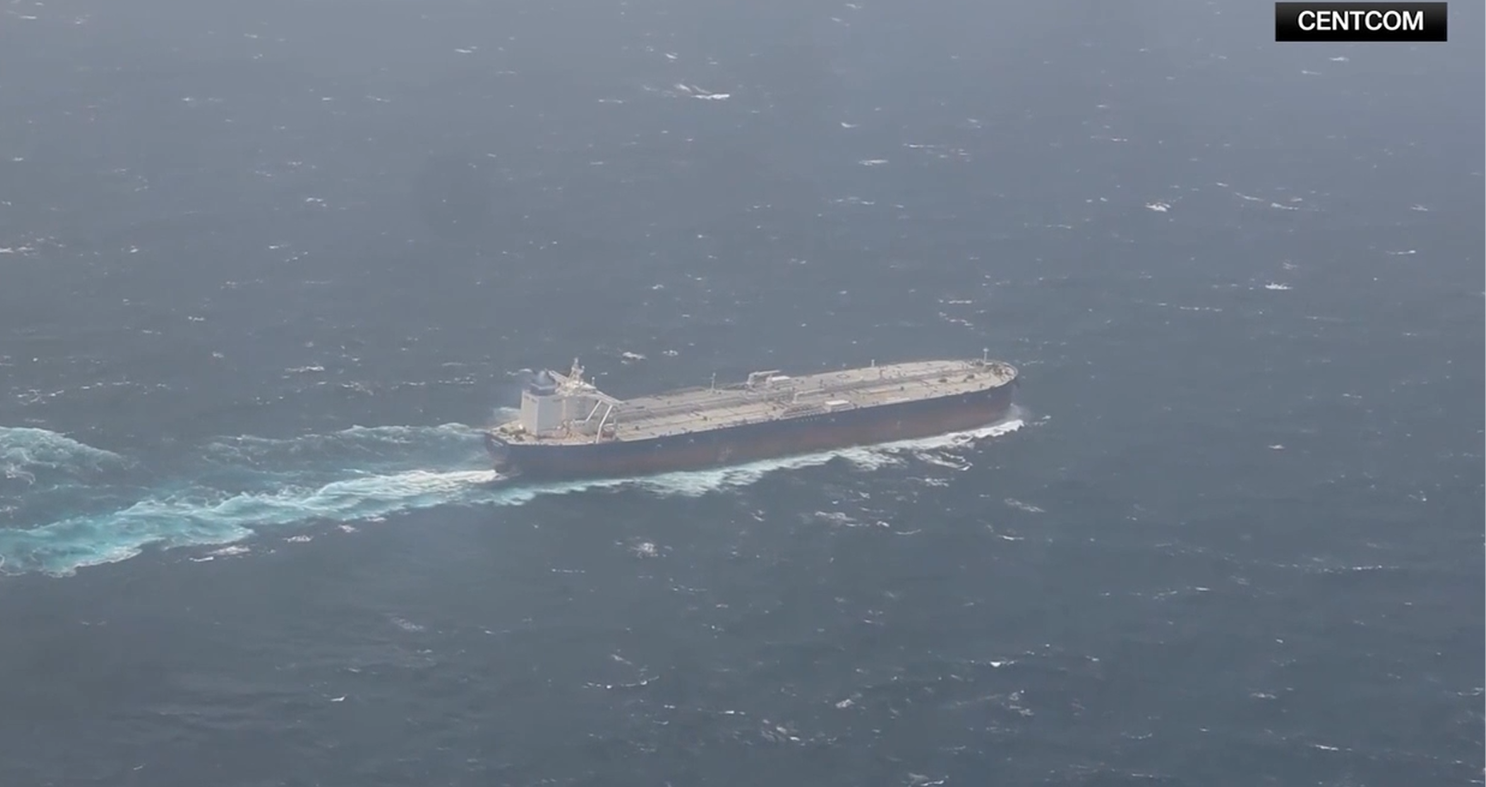
The 19-page report largely blamed the uptick in inflation on gas prices as a result in a shipping slowdown through the Strait of Hormuz, along with disruption to shipping through the Red Sea.
“The conflict has disrupted global refining activities and, consequently, increased the prices of refined petroleum products such as gasoline, diesel fuel, and jet fuel,” CBO director Phillip Swagel wrote. “Because the price of almost every product reflects shipping costs, increases in petroleum prices—a significant input in transporting goods—indirectly affect the prices of most goods and services.”
The office concluded that the shipping reduction has increased energy prices around the globe.
The report came at the request of Rep. Brendan Boyle, D-Penn., who is the Ranking Member of the House Budget Committee. It also detailed the cost of the conflict, which began in February, at approximately $38 billion.
“That amount reflects the costs of replacing expended munitions and equipment lost in battle, increased flying hours, other operations, and increased fuel cost,” Swagel wrote.
Swagel said the U.S. Department of Defense did not respond to the CBO’s request for information, and because of that, their estimates are “subject to considerable uncertainty.” The report relied on government databases and public records instead.
The office predicted that inflation will remain higher than forecasted through 2027, estimating that the year-over-year inflation rate for the personal consumption expenditures (PCE) price index will be 0.5 percentage points higher in the first quarter of 2027, and that the year-over-year rate for the core PCE price index will be 0.3 percentage points higher than forecast.
They predict the conflict’s effect on energy prices peaked in the second quarter of 2026 and will start to ease, but that the prices for other goods will “build more gradually” as the higher costs move through supply chains.